

Analysis of the Function and Working Principle of the German Standard F6 DIN3202 Rotary Check Valve in Pipelines
Release Time:
Oct 09,2025
Swing check valve: Positive fluid pressure pushes the valve disc to rotate around the hinge axis and open (usually opening between 45 ° -90 °). When the forward flow slows down or stops, the valve disc begins to fall under its own gravity (and possible spring force). The reverse flow pressure will accelerate the closure of the valve disc and cause it to rotate back to the valve seat. The closing action is mainly swinging.
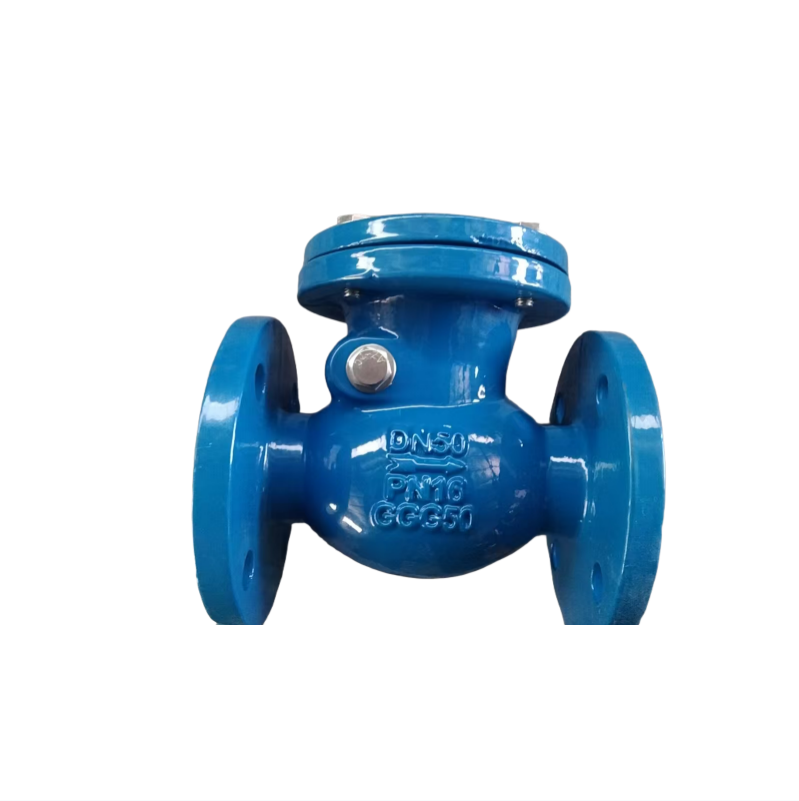
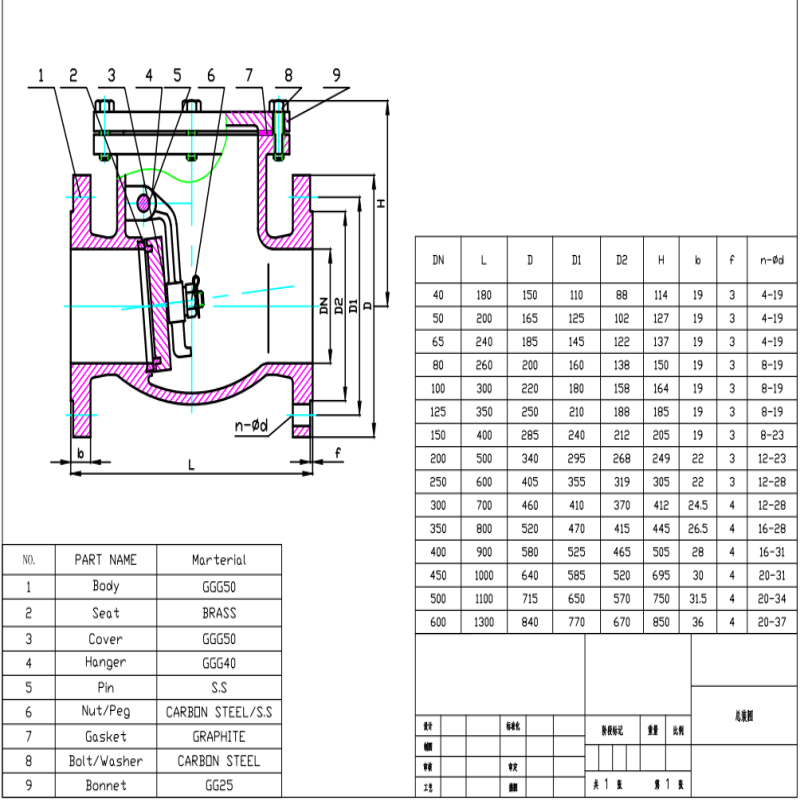 Rotary check valve is an effective one-way check valve that prevents backflow when water is stopped. Due to its unique design and construction, it will not affect the service life of the water pump by causing a cut-off area. Therefore, rotary check valve, also known as "large diameter full basin" check valve, is a preferred universal valve in fire and municipal pipelines.
The swing check valve is made of ductile iron material, which has the advantages of tensile and crack resistance. The sealing surface has two sealing forms: brass welding or EPDM rubber sealing. Suitable for different occasions in pipeline networks, the valve body is coated with epoxy resin to ensure that water quality and service life are affected by fluid corrosion. The valve plate guide shaft is made of 304 stainless steel to effectively prevent rotation failure caused by fluid corrosion, which may result in damage or destruction of water pumps and other facilities, leading to unexpected secondary serious problems.
Hot News

—Contact Us
WhatsApp/Wechat:
E-mail:

Hello, what can I do for you?
We will contact you within one working day. Please pay attention to your email.